To deeply carry out national education for international students studying in China and guide them to better understand China, experience Chinese culture, and tell China's stories, recently, organized jointly by the Domestic Cooperation and Exchange Office and the School of International Education of Beijing University of Chemical Technology, 22 international students from 12 countries including Thailand, Ethiopia, Indonesia, and Russia participated in a rural revitalization-themed practical exchange activity in Qahar Right Wing Middle Banner, Inner Mongolia, one of our university's targeted assistance areas.
During the activity, the international students visited Hanjiawobao Gacha, Qahar Right Wing Middle Banner No. 1 High School, and Ximaodu Gacha. Through on-site visits, discussions, and cultural interactions, they got a close-up look at rural construction, educational development, and improvements in people's livelihood in China, personally experiencing the practical effects of the rural revitalization strategy at the grassroots level.
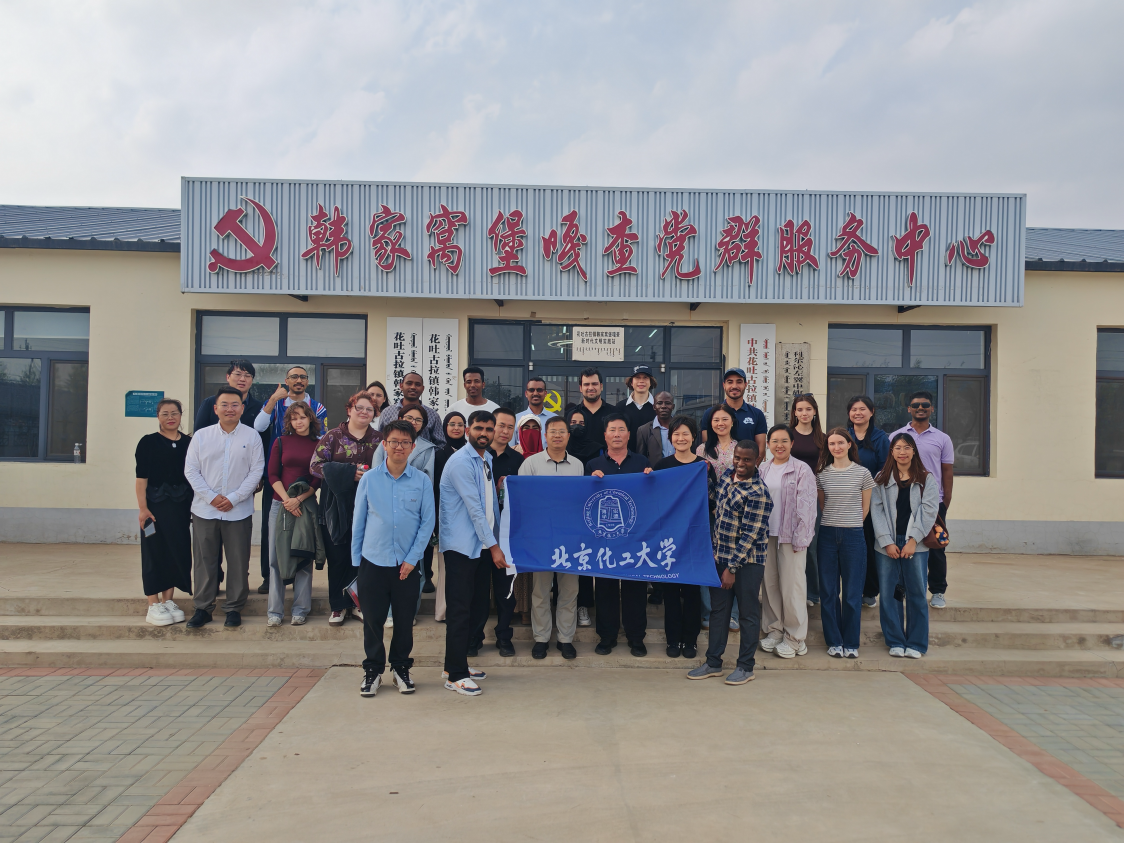
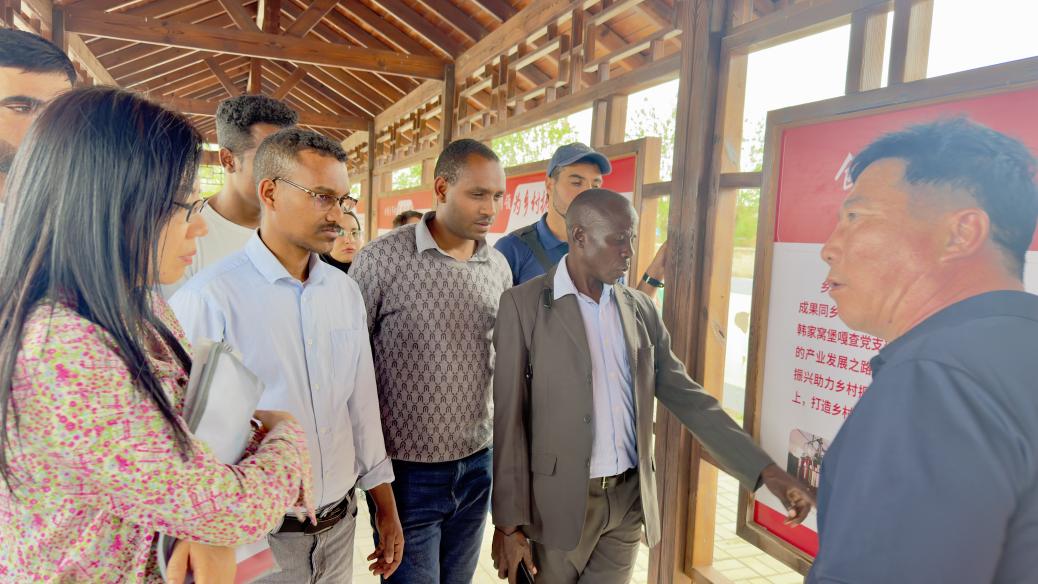
At Hanjia Wobao Gacha, international students got a first-hand look at the village's appearance and infrastructure, and learned in detail about our school's long-term educational support, technology assistance, and rural revitalization efforts in the area. They found out that the school has been making the most of its talent, technology, and educational resources to continuously support local industry development and raise education standards, serving the grassroots and aiding rural revitalization through real actions. During conversations with villagers, the international students listened carefully to the changes in rural life and genuinely felt the sense of fulfillment and happiness among the local people.
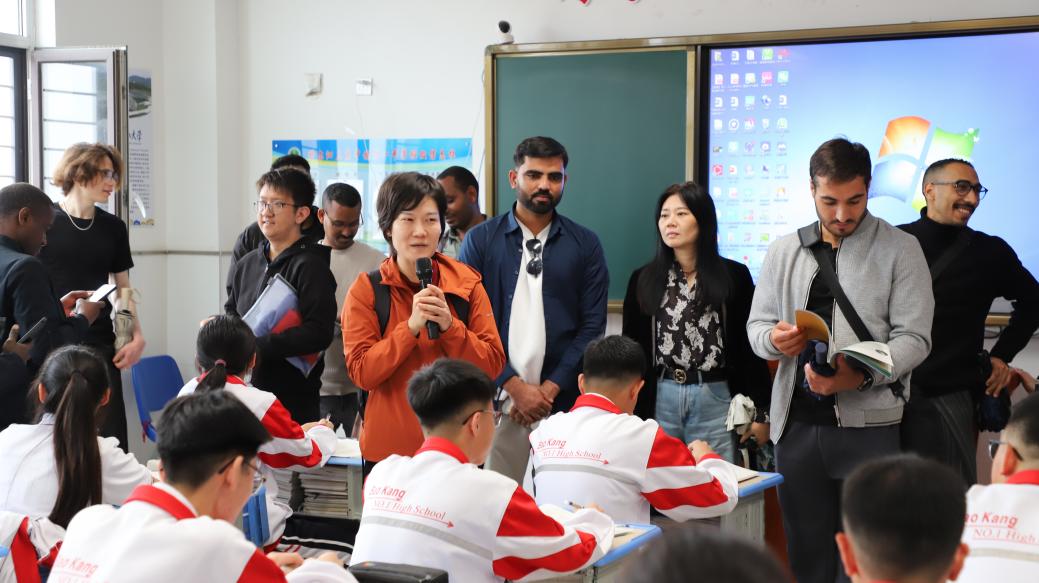
At the First Middle School of Horqin Left Wing Middle Banner, local and international students interacted face-to-face. International students shared their experiences studying and living in China, as well as their own cultural customs, while local students introduced campus life and their future plans. In a relaxed and lively atmosphere, both sides gained a better understanding of each other and deepened their friendships. Local students said the exchange activities broadened their international horizons and boosted their interest in learning foreign languages, while international students were also deeply impressed by the positive and energetic spirit of Chinese youth.
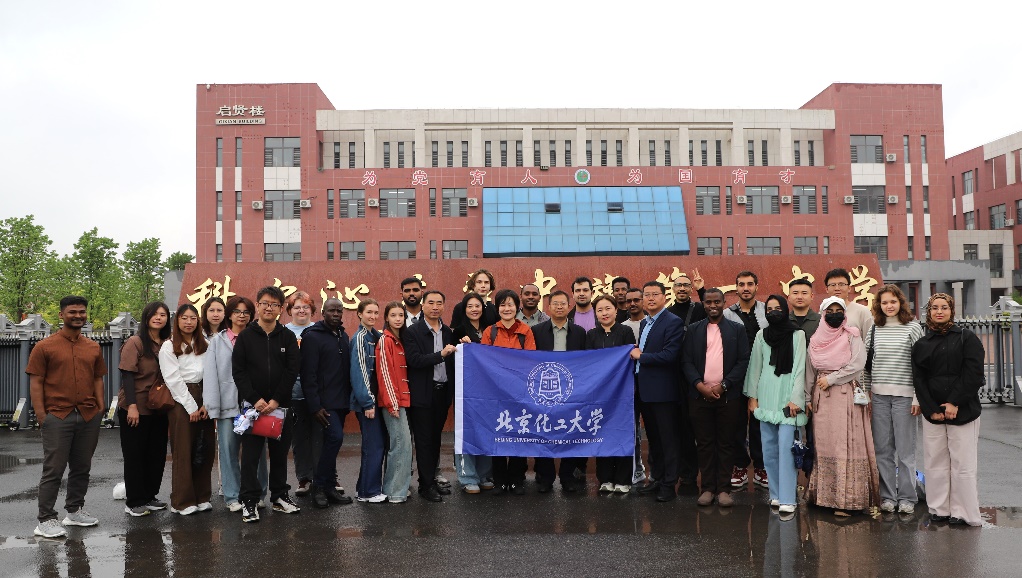
In Ximao Duga Village, everyone got to learn more about grassroots development and improvements in people’s livelihoods, seeing firsthand the significant changes in rural China in education, transportation, and living environment. It also helped deepen our understanding of regional coordinated development and the overall revitalization of the countryside. Teachers from the International Education College explained on-site the background of China’s rural revitalization strategy and the importance of universities serving society and supporting education, helping international students gain a more systematic understanding of China’s development ideas and practices.
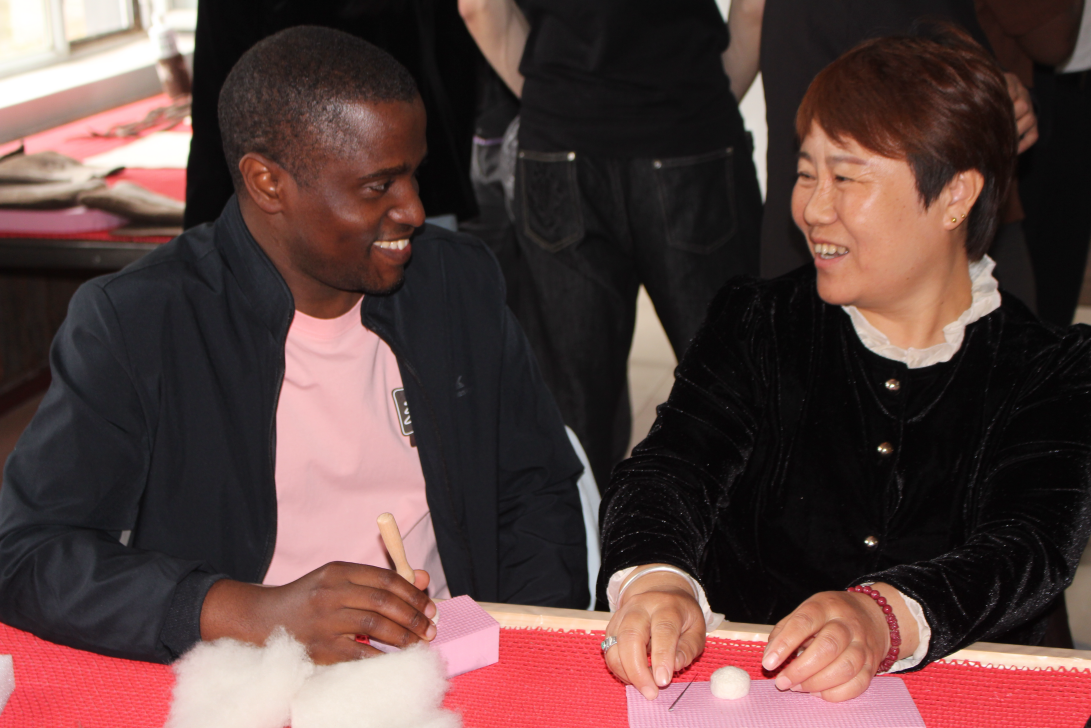
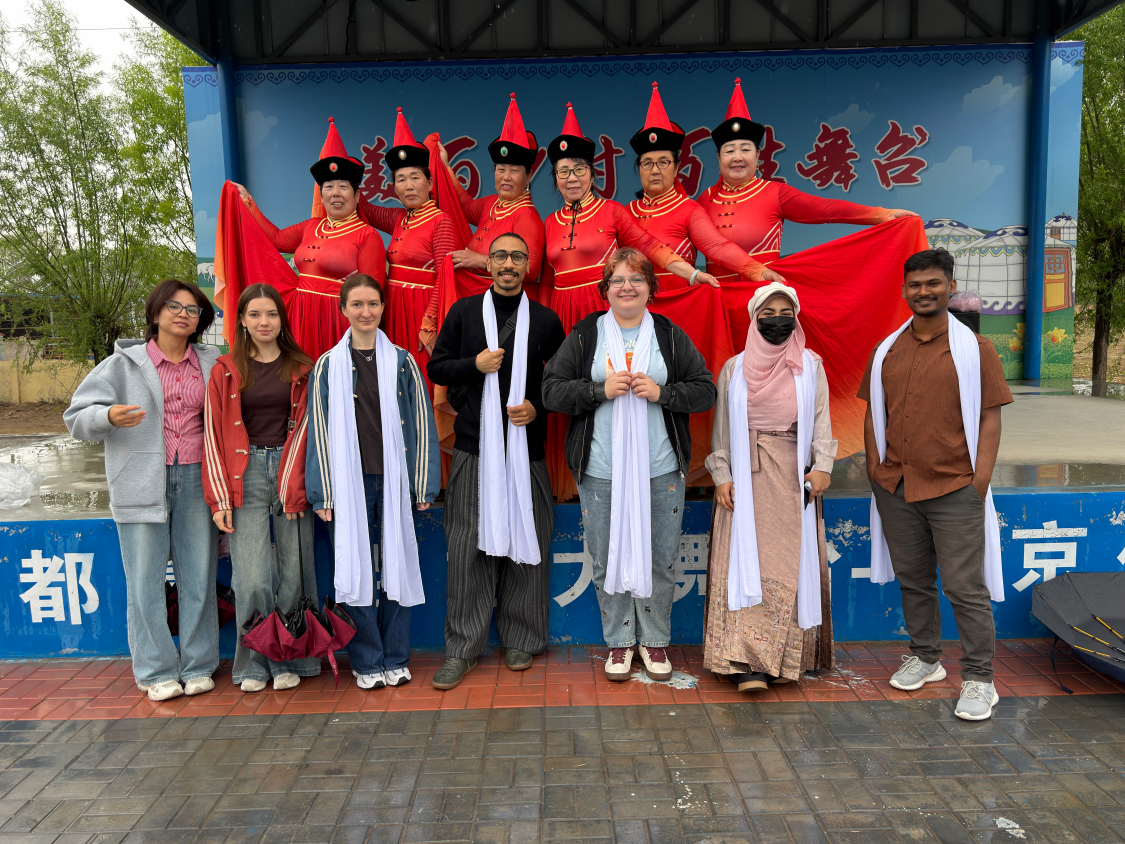
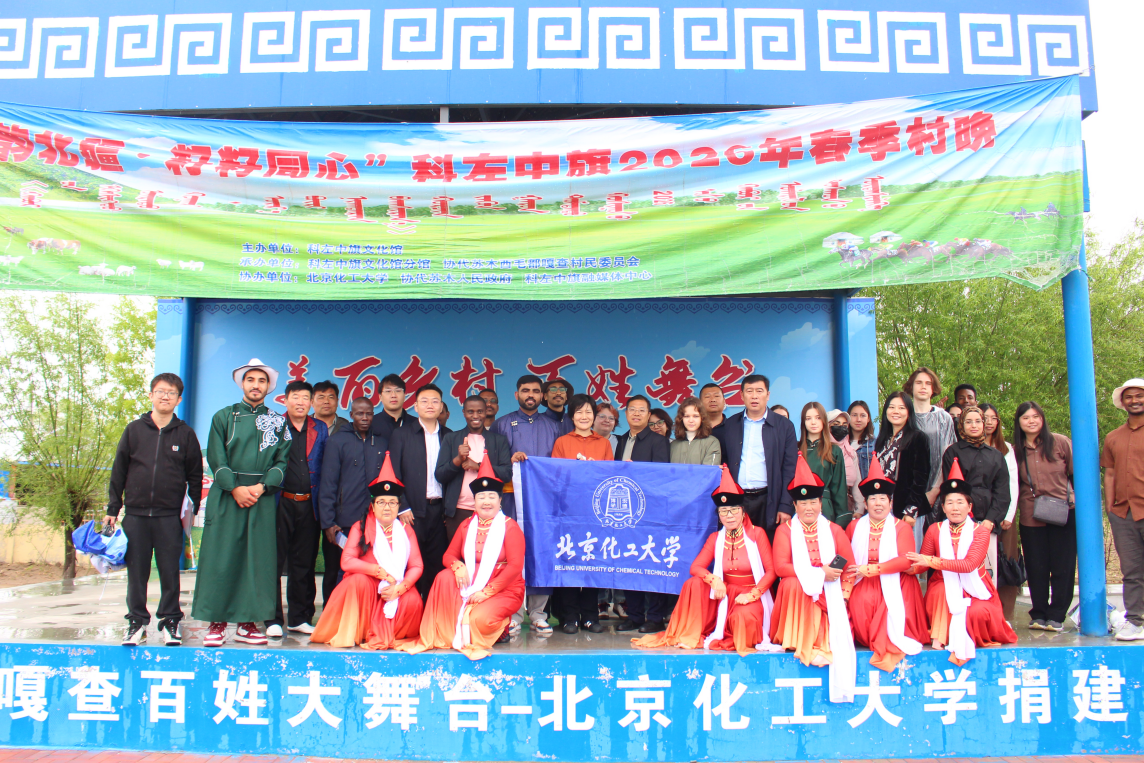
International students participating in the event shared their gains and reflections. Pakistani student Hussain said that the local community's familiarity with and recognition of Beihua's support work made him genuinely feel the value of the school's service to grassroots communities, and he felt proud to be a Beihua student. Salvadoran student Rodrigo said that this practice allowed him to see a real, multi-dimensional China, deeply understand that rural revitalization is a practical action that benefits the people, and also realize that education is a bridge connecting people's hearts. Egyptian student Abdelrahman said that the way Chinese universities deeply participate in rural development was very inspiring to him. He plans to use this experience as an opportunity to work hard to become a cultural bridge connecting China and Egypt and to use what he has learned to serve social development.
This practical activity is an important way for our university to strengthen international students’ understanding of China's situation and promote exchanges between Chinese and foreign youth. In the future, the school will continue to use the 'Mobile China Studies Class' as a starting point, guiding international students to engage deeply with Chinese society and experience China’s development through social practice, grassroots research, and cultural experiences. This will continuously enhance their understanding of, friendship with, and love for China, helping young people become friendly ambassadors for exchanges and mutual learning between Chinese and foreign civilizations.