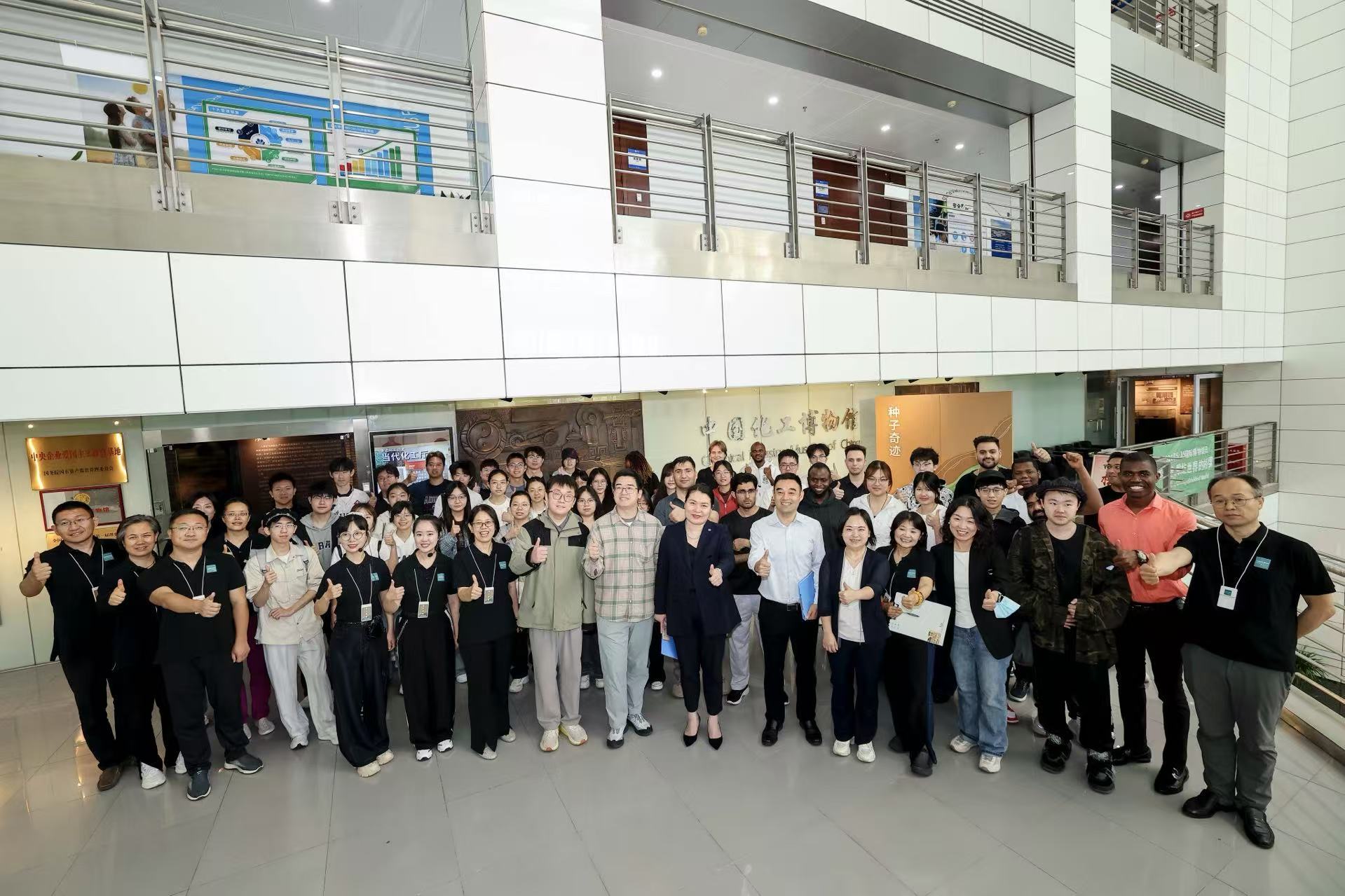
On the occasion of the 50th International Museum Day, to deeply experience the charm of integrating life sciences with modern agricultural technology and understand the era's mission of revitalizing the seed industry, on May 18, the International Education College of Beijing University of Chemical Technology organized a visit for international student representatives and students from the School of Chemical Engineering to the China Chemical Industry Museum, where they toured the special exhibition 'The Miracle of Seeds.' This event, themed 'Museums: Bridges Connecting the World,' used the fascinating journey of a single seed to connect history and the present, science and civilization, and China with the world.
A Single Seed, A Thousand Worlds
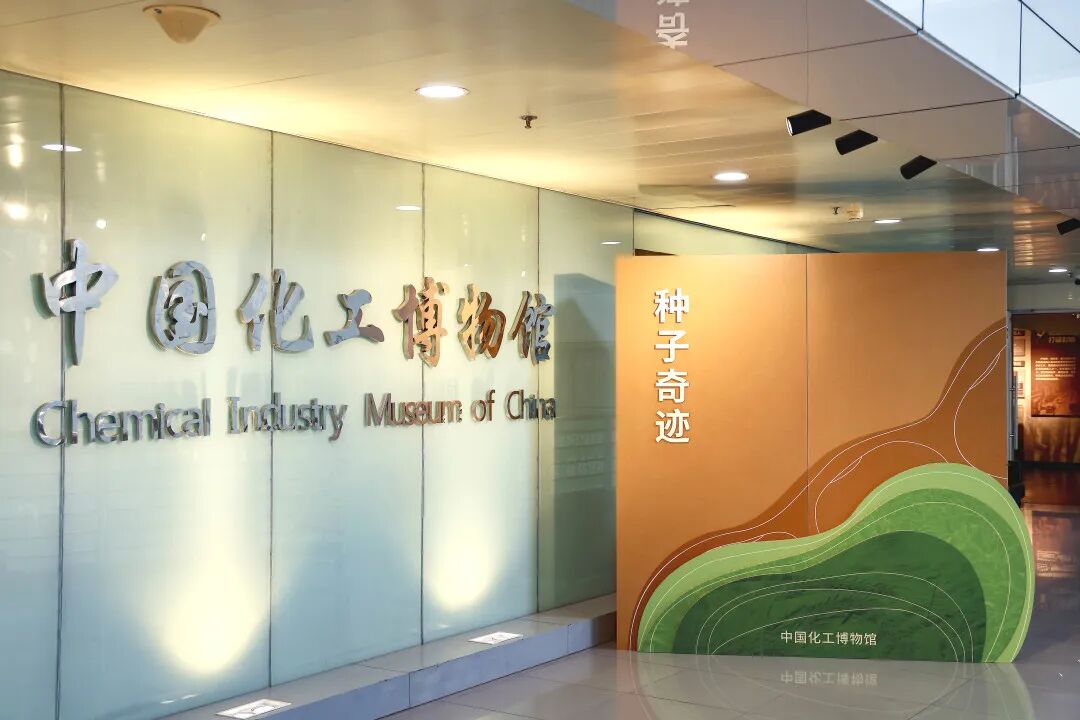
The 'Seed Miracle' temporary exhibition is hosted by the China Chemical Industry Museum and supported by China National Seed Group Co., Ltd. Centered around seeds as carriers of life, it systematically showcases their evolutionary history, scientific value, and profound impact on human civilization. The exhibition is organized into three progressive sections: 'The Awakening of Life: Evolution of Seeds,' 'The Code of Civilization in Seeds: How a Single Seed Can Change the World,' and 'The Cornerstone of Agriculture: Changes in Seed Technology.' Combining real exhibits, panels, and cutting-edge scientific achievements, it offers visitors an agricultural technology feast that is informative, educational, and visually engaging.
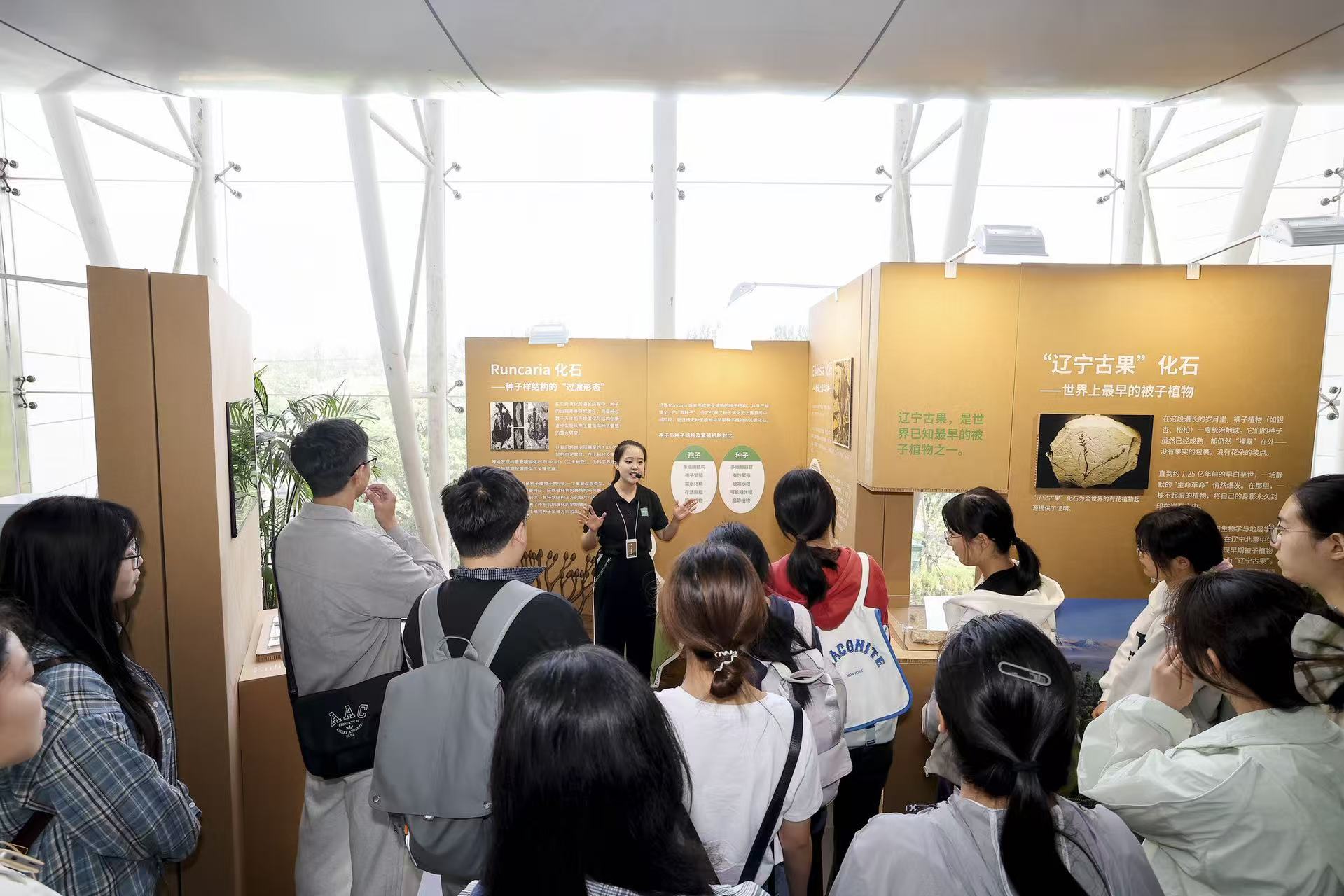
In the 'Awakening of Life' exhibition area, students got up close to precious specimens like Lankaria fossils and ancient fruits from Liaoning, tracing the evolutionary journey from gymnosperms to angiosperms over hundreds of millions of years. The 'Seed Codes of Civilization' section focused on the domestication of crops like wheat and rice, illustrating the profound idea that "a single seed carries civilization." Meanwhile, in the 'Cornerstone of Agriculture' area, modern achievements such as heat-resistant rice, high-quality fresh-eating corn, the AI breeding platform GASEL, and seed coating agents vividly showcased the leap from traditional breeding to intelligent design breeding, clearly highlighting the deep integration of chemical technology and innovation in the seed industry.
Empowering with chemicals, innovating green
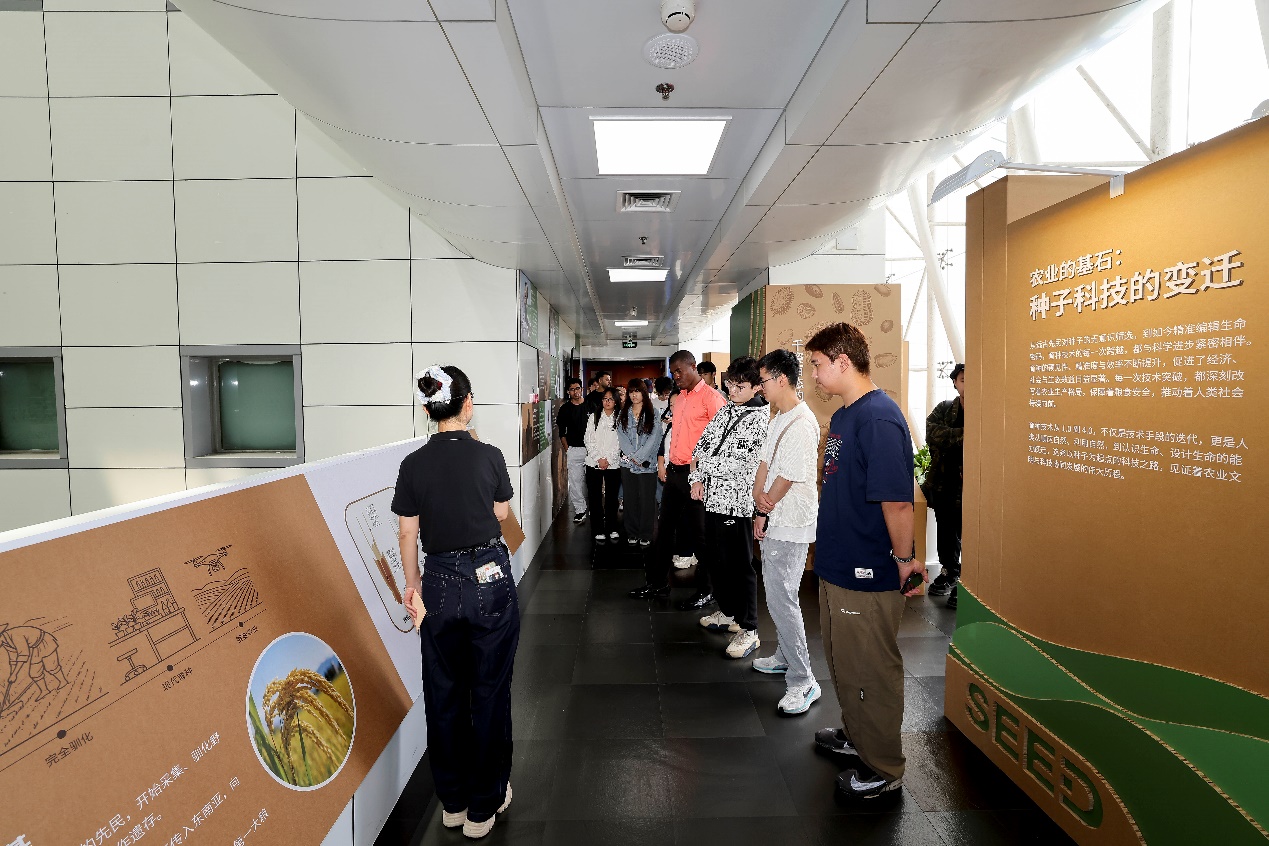
As students from a university specializing in chemical engineering, everyone is especially interested in the combination of chemical technology and seed industry innovation. At the exhibition, products like seed coatings that improve seed resilience and yield gave everyone an immediate sense of how chemical engineering strongly supports modern agriculture. At the same time, the entire exhibition used low-carbon, recyclable, eco-friendly materials for its displays, with green design reflecting the core of life. This idea also sparked deeper thinking among our teachers and students about sustainable technology and ecological responsibility.
Crossing borders, connecting the future.
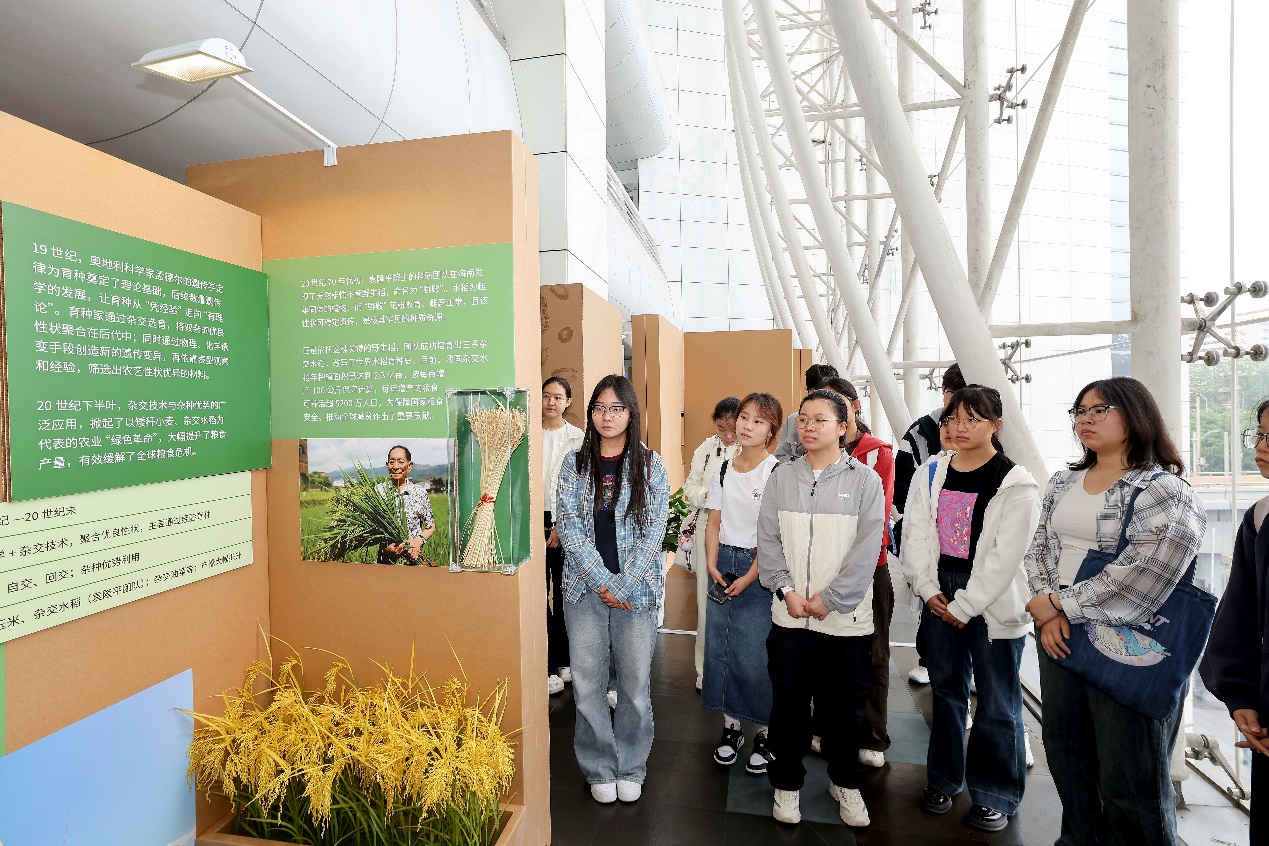
International students from different countries showed great interest in the Chinese breeding achievements showcased in the exhibition—like the story of Academician Yuan Longping's team and the dedication of researchers such as Zhao Hongzhang. They said that by visiting, they not only understood the Chinese wisdom of 'a single seed changing the world,' but also saw the global future of agriculture through openness, cooperation, and shared technology. A student from Southeast Asia said, 'Seeds have no borders, just as science has no borders. Today, we are both learners and bridges connecting China with the world.'
Sowing the seeds of science, inspiring youth to take responsibility
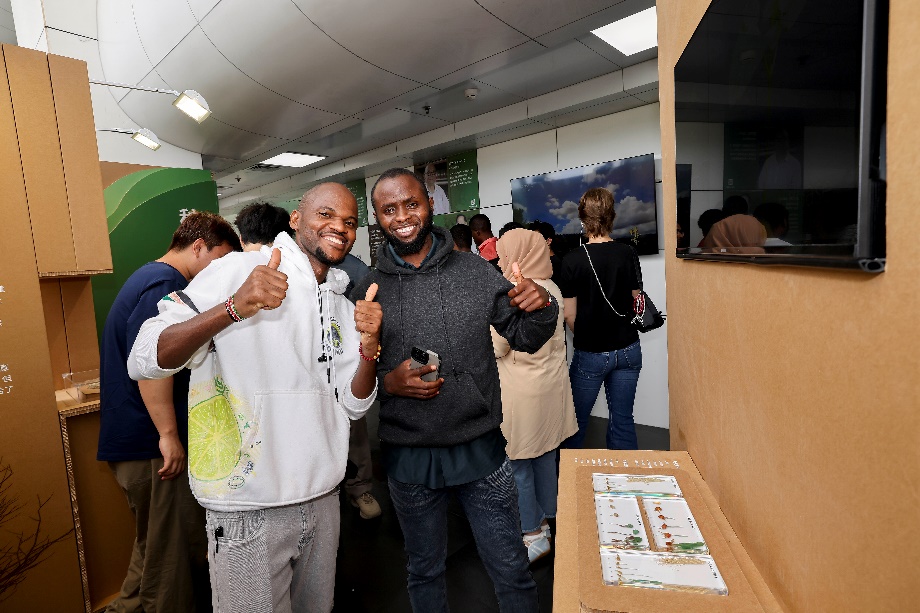
This visit is an important initiative by the School of International Education at Beijing University of Chemical Technology to promote the 'Understanding China' social practice and national conditions education. It’s also a key part of the 'Understanding China: Exploring China Through Chemistry for International Students' series and the 'Mobile National Conditions Class.' By visiting special exhibitions on-site, the activity helps Chinese and international students gain a deeper understanding of the integration of life sciences, modern agriculture, and chemical technology, further enhancing international students’ awareness of China’s innovative achievements in food security, seed industry revitalization, and green development, while promoting exchange and mutual learning between Chinese and foreign youth in science, technology, and culture.
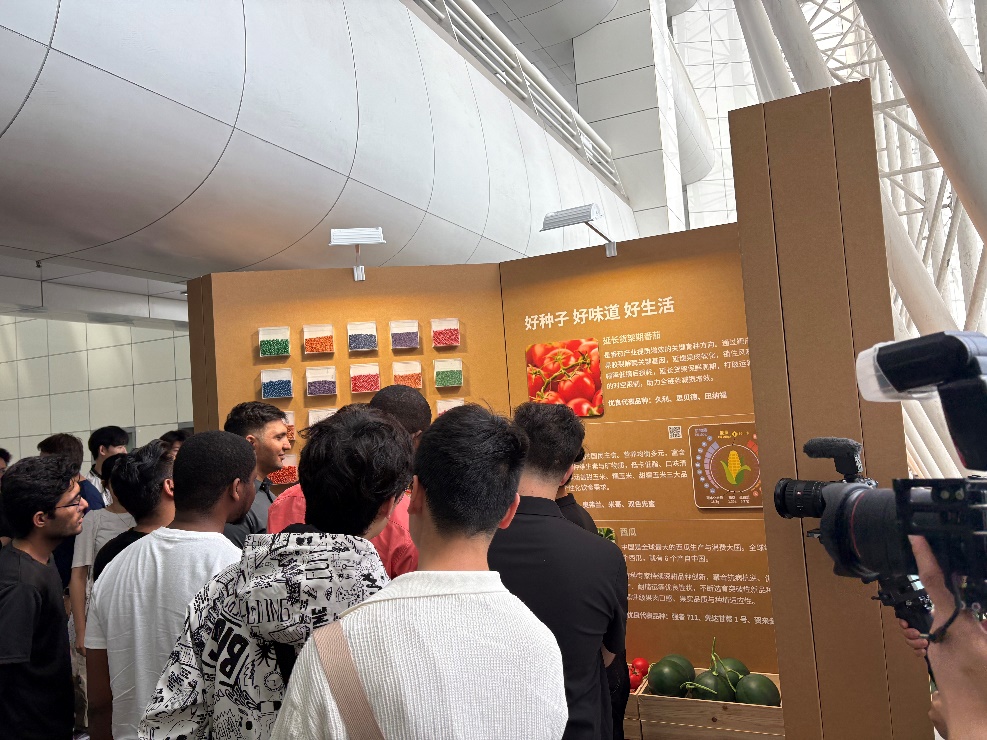
In the future, the college will continue to leverage high-quality social resources such as the China Chemical Industry Museum, working with leading companies and cultural institutions to organize a variety of hands-on national experience and cultural activities. These activities aim to help both Chinese and international students understand and feel China through immersive experiences, grow through scientific exploration, build consensus through cultural exchange, and contribute their youthful energy to the shared goal of building a community with a shared future for humanity.